

Plants provide many functions for the landscape
February is a great time to plant in the low desert as temperatures are still cool and roots can get established before the heat sets in. Perhaps you are looking to add or replace a few plants to your landscape, create a new focal point with sculptural cacti or accent plants, or you might be looking to completely make over your landscape. No matter what your goal, there are hundreds of desert plants available for just about any function in your landscape. Would you like to attract birds or butterflies to your yard? Perhaps you are looking for year-round color, or how about a living fence or a cool, shady retreat? Desert plants are up for the challenge!
Each low-water-use plant can save you up to 550 gallons a year.
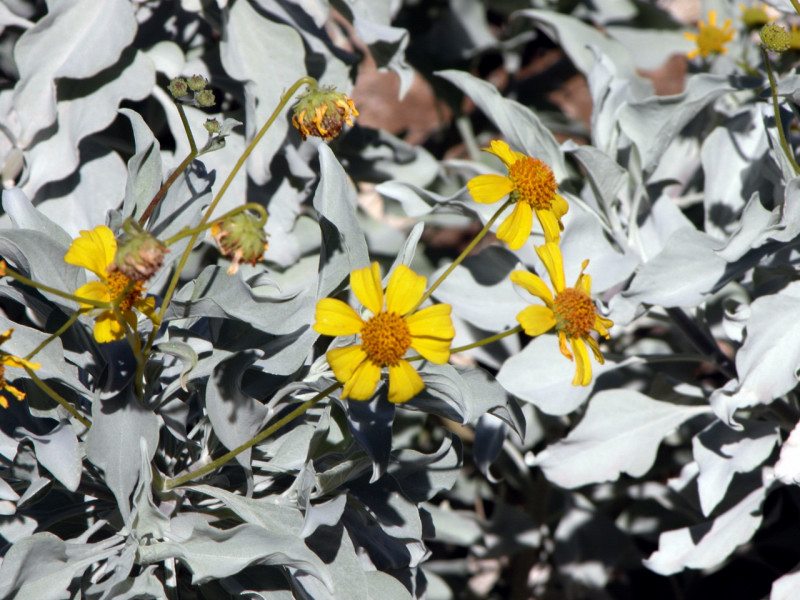
Desert plants have special characteristics that help them tolerate our tough desert conditions including dryness, heat, alkaline soils and even winter frost. Light colored leaves help reflect sunlight to prevent heat buildup, small or waxy leaves are more water efficient, and succulent stems store water for later use. Native plants are at home in our difficult desert soils and tolerate our hot and cold extremes. Best of all they need very little water, a precious resource in the desert.
By selecting plants that are well adapted to our desert climate you’ll have less maintenance and more time and money while enjoying a more attractive landscape. Using desert plants instead of turf grass also eliminates the need for polluting mowers and weed trimmers. Try the tips below for successful plant selection.
Plant selection tips
- Location, location, location. Check the mature plant size to ensure you are selecting the right plant for the right place. Consider other site conditions. For example, an area with reflected sun should have a plant that can tolerate extra hot conditions. Place trees to shade your home to save energy.
- Group plants with similar water needs to create a landscape that is easier to maintain and is more water efficient. This way plants will also have fewer problems with being over or under watered.
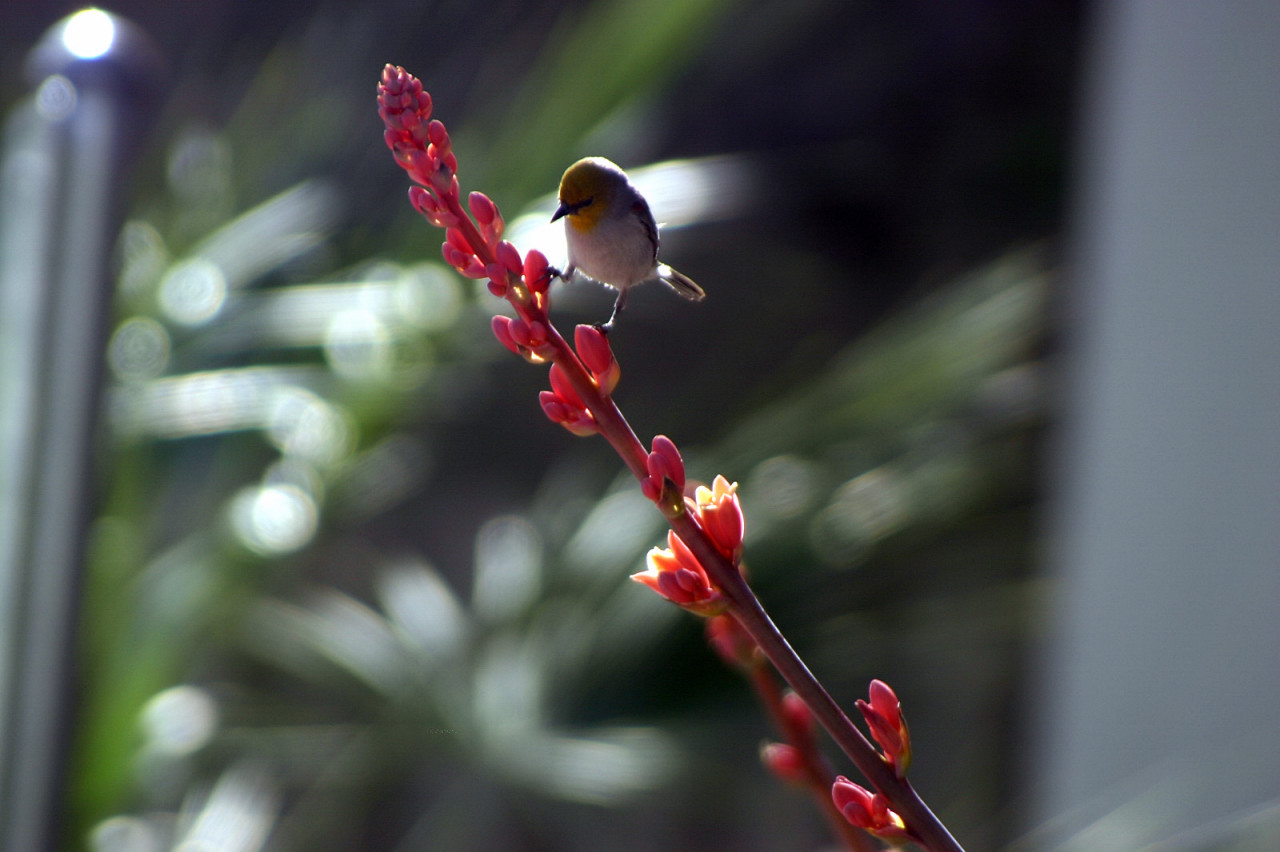
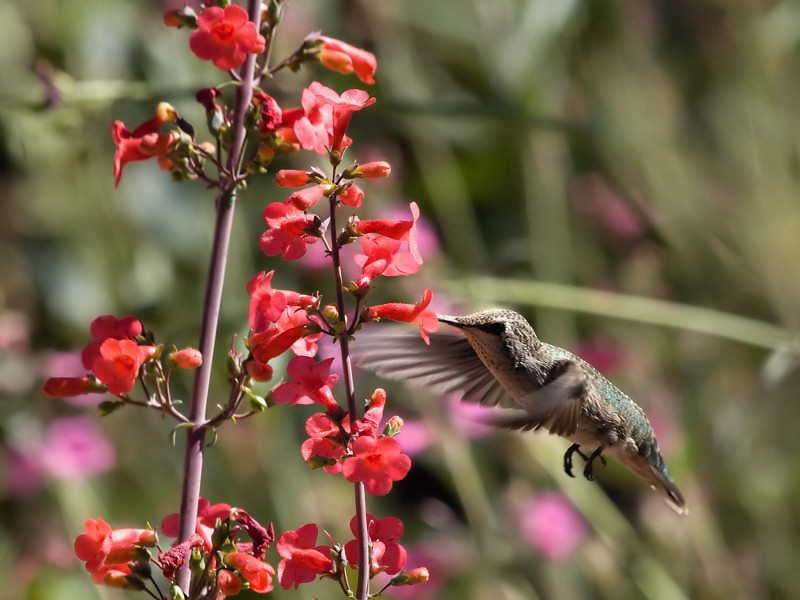
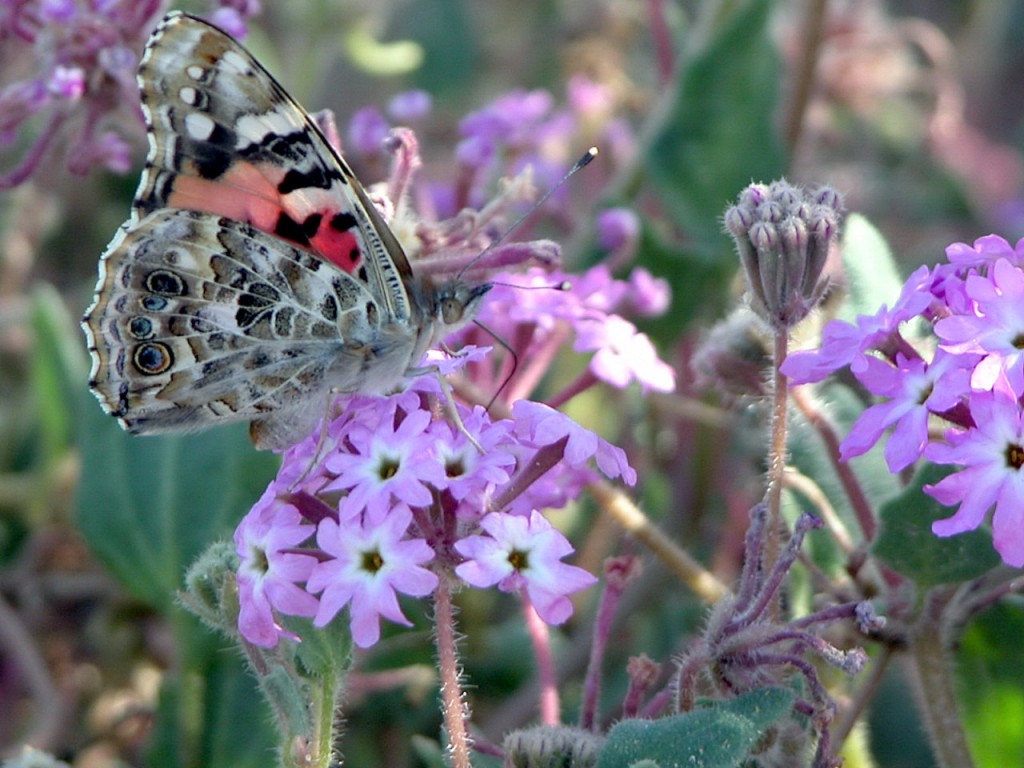
- Decide what function you want from your plants. You may want a plant for screening, shade, color, security (thorny plants), or to attract birds, butterflies, or other wildlife.
Find these helpful links on planting
- Visit our page on Arizona Low-Water-Use plants.
- Visit our page on Planting Trees and Shrubs.
- The booklet, Xeriscape Landscaping with Style in the Arizona Desert includes: Planting and Staking information and diagrams.
- The University of Arizona Cooperative Extension offers this helpful publication on Planting Guidelines: Container Trees & Shrubs.
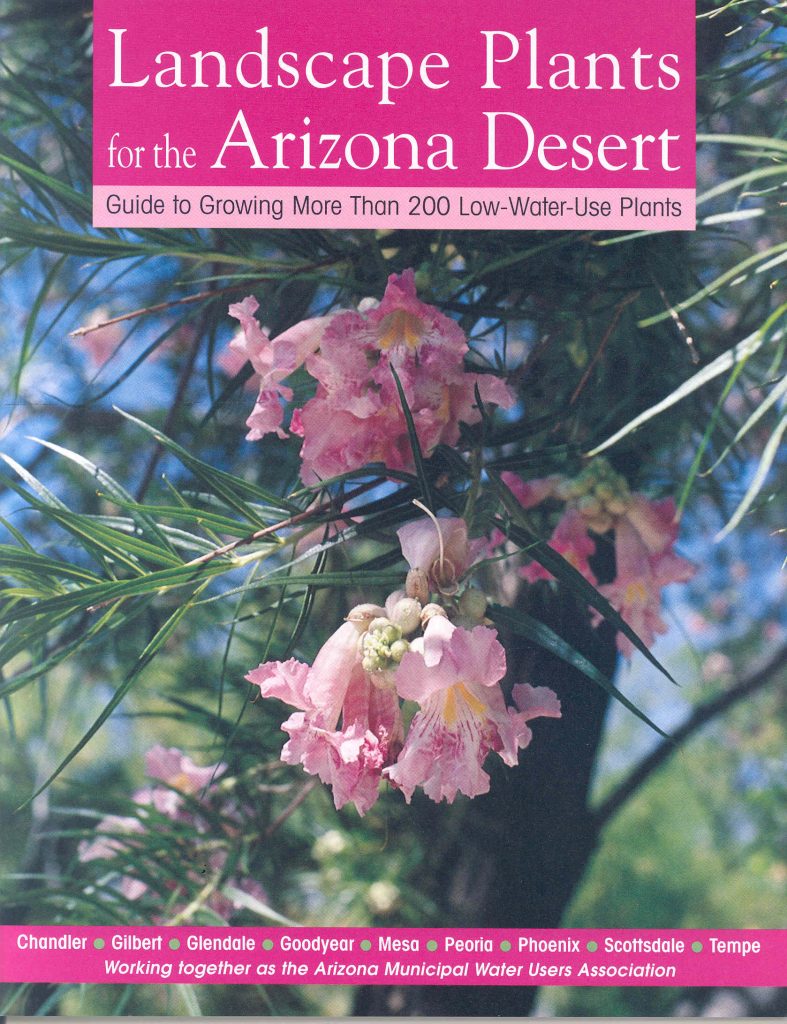
- Check out our “Landscape Plants for the Arizona Desert” booklet and online resource, which highlights over 200 beautiful and high-performance plants.
Attend a landscape workshop
Many of our Water – Use It Wisely regional partners offer water-wise workshops. Check out all of the partner programs on our Water – Use It Wisely calendar where there will be lots of programs offered throughout the spring months.
Donna DiFrancesco is a Conservation Coordinator with the City of Mesa, AZ, one of seventeen Water– Use It Wisely partners to offer water-saving advice and programs.