
To Overseed or NOT to Overseed…
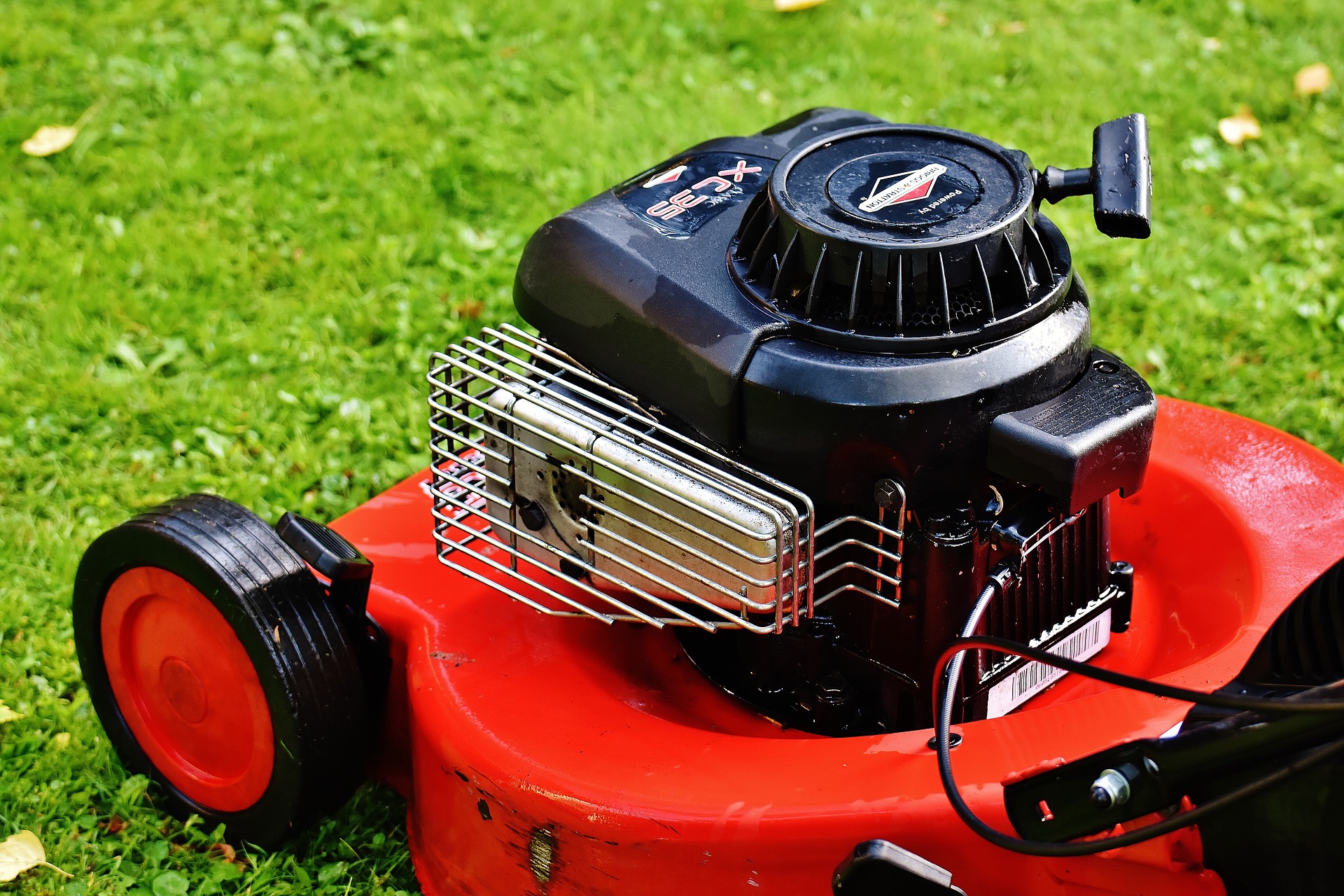
Most Americans love lush, green lawns, and many are willing to do whatever it takes to keep one. Nowhere is this act of defiance against nature more obvious than in the Arizona desert, especially in fall when the annual ritual of planting winter grass begins. You’ll hear lawnmowers whirring, see clouds of dust as summer lawns are scalped, and watch sprinklers kick into active duty – watering several times a day to get winter ryegrass germinated.
But keeping a green, attractive lawn in the desert isn’t a simple task any time of year. Unlike areas of the country where rainfall helps keep grass green, our low-desert lawns depend on supplemental irrigation and plenty of maintenance, including fertilizing, mowing, edging, weed control, dethatching and more.
Bermuda thrives in our summer heat, but by late November or December, it naturally goes dormant and turns a lovely shade of golden yellow… ah, blonde… OK, does pumpkin latte sound any better? Our partner, the City of Scottsdale, even produced a fun video encouraging residents to embrace that seasonal color change.
And here’s the ‘more‘ part mentioned above. Overseeding with ryegrass each fall means a lot more work, water, and money to keep your lawn green year-round. You’ll need to purchase seed, scalp the Bermuda, spread the seed, and water frequently for germination. Then come months of mowing, watering, and maintenance. Scalping and winter mowing also generate additional green waste.
Water use? We thought you’d never ask.
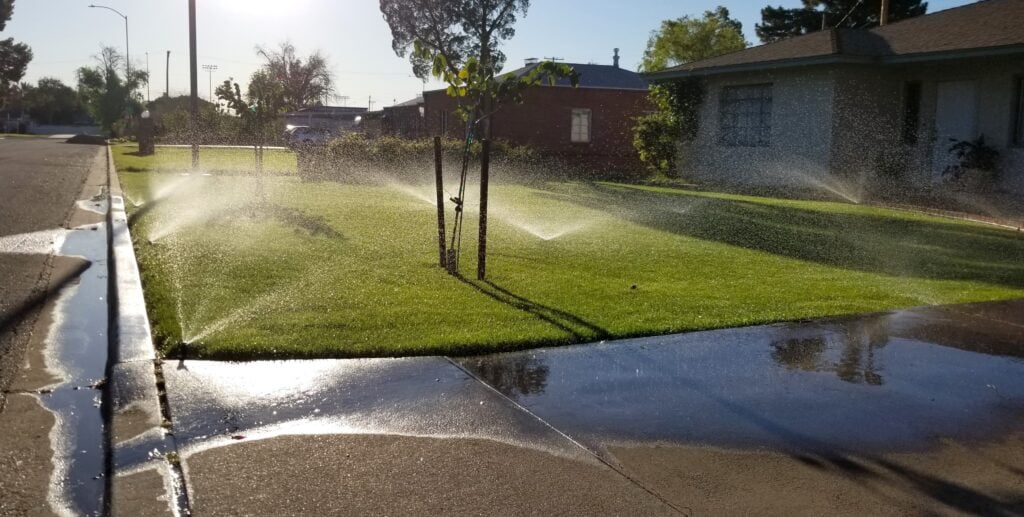
How Much of Our Scarce Resource is Needed for Grass?
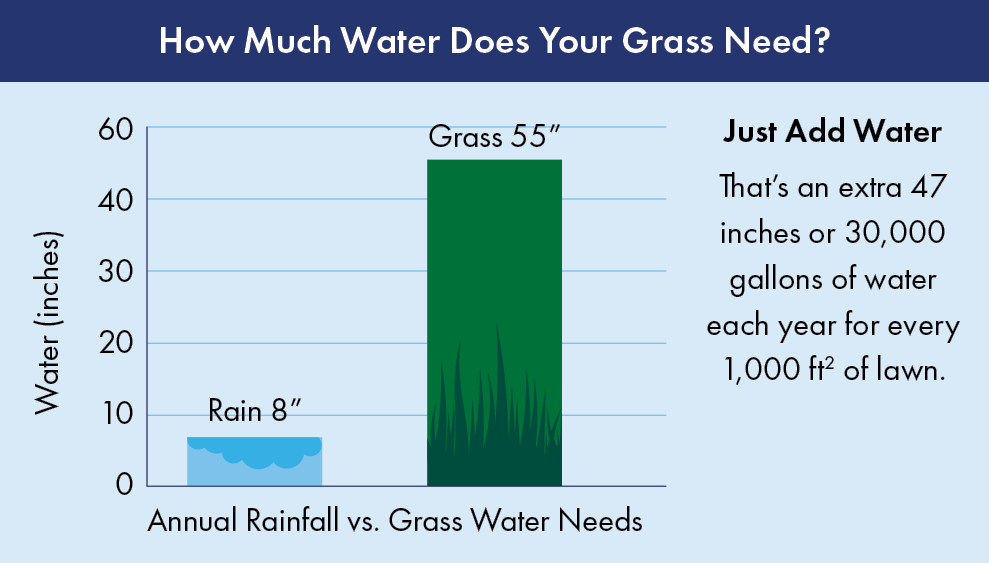
These estimates are based on the amount of water needed to keep turf healthy and don’t account for additional water that may be lost through inefficient irrigation, broken sprinkler heads, runoff, or poor scheduling.
Maintaining a lawn year-round in the low desert can require approximately 35,000 gallons of supplemental water for every 1,000 square feet of grass. For an acre of turf (talking to you, HOAs!), that adds up to roughly 1.5 million gallons of water.
What You’ll Save by Not Overseeding
Of that annual water use, approximately 8,000 to 10,000 gallons for every 1,000 square feet of turf can go toward germinating ryegrass and keeping it green through the winter. For an acre of turf, that’s about 350,000 gallons needed just for winter grass.
By comparison, Bermuda can simply be allowed to go dormant for the winter. Dormant Bermuda typically needs watering only about once a month from November through February – and potentially less when winter rains help do the job.
Germinating and growing a winter lawn requires 8,000 to 10,000 gallons
for every 1,000 square feet .
Putting Those Gallons in Perspective: Our Water Supplies
The Colorado River – one of several water sources serving communities across the Valley – continues to face long-term challenges from a hotter, drier climate and an imbalance between water supply and demand. It’s an important reminder that we live in an arid region where using water efficiently isn’t just a good idea – it’s part of living wisely in the desert.
Which brings us to a question worth asking each fall: Do we really need to overseed? And while we’re asking questions… do lush, green lawns really belong in desert cities?
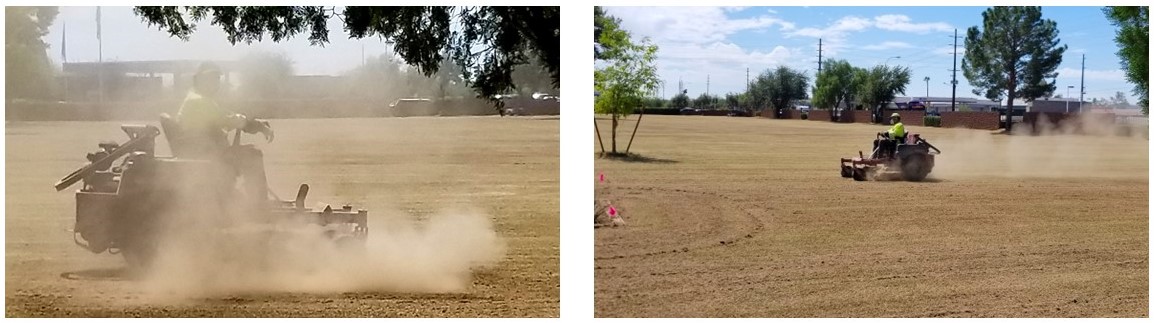
Our Plant of the Month… NOT to Plant! 🌱🚫
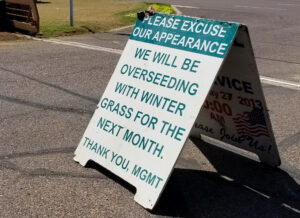
That’s right. So, this month’s Plant of the Month is one we’re asking you NOT to plant: winter ryegrass.
Most Arizonans already understand that saving water is important. But maybe you need a few more reasons to skip overseeding – or a little help convincing a family member, neighbor, landscape committee, or HOA board.
We’ve got you covered. Check out our Ten Reasons to Skip That Winter Lawn for nine more reasons to give your Bermuda – and yourself – a break this winter.
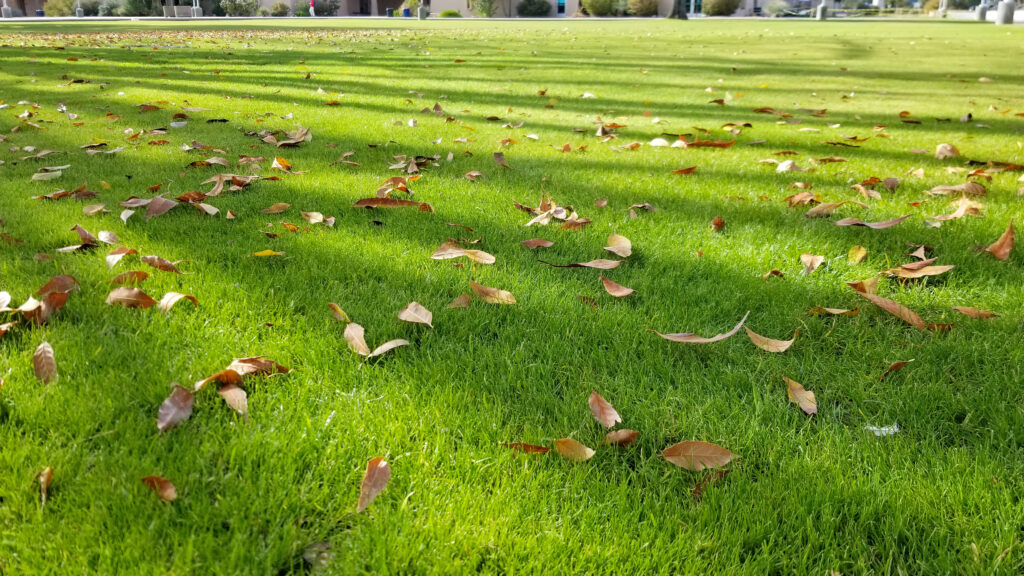
Ready to Give Winter Grass a Break?
Skipping overseeding doesn’t mean giving up on a beautiful winter landscape. Fall is one of the best times to plant low-water-use trees, shrubs, groundcovers, and wildflowers that bring color, texture, and wildlife to your yard – without the work and water required for winter ryegrass.
Looking for inspiration? Read through all of our featured Plant of the Month blogs, explore Water – Plant It Wisely for plant inspiration, fall planting resources, and upcoming plant sales, and check out our newly updated Landscape Watering by the Numbers: A Guide for the Arizona Desert to learn how to keep your landscape healthy while using water wisely.
So, this fall, give your Bermuda – and yourself – a break. Skip the seed, skip the extra watering, and embrace a little desert-style winter gold. 💧🌱
More to Explore:
- Do You Need to Overseed? 10 Reasons to Skip That Winter Lawn
- 10 Reasons Why Artificial Turf May Not Be What You’re Looking For
- Top 10 Reasons to Convert to Xeriscape
Donna DiFrancesco is a conservation coordinator with the City of Mesa, AZ, one of 23 Water – Use It Wisely partners to offer water-saving advice and programs.
Her favorite grasses, both Muhlenbergias, are native to the Southwest U.S. and Mexico. These ornamental grasses bring beauty, movement, wildlife, and resilience to desert landscapes. Learn more about Deer Grass and Pink Muhly!